
Crowns And Bridges 101: What Every Dentist Needs To Know

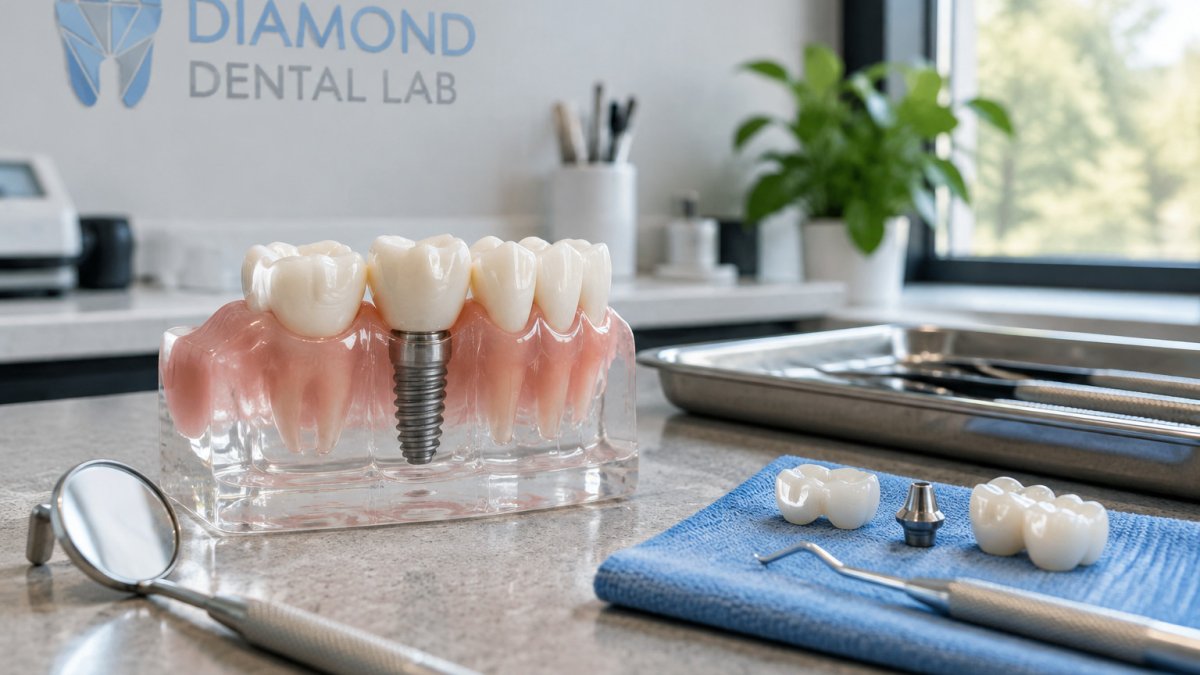
Restorative dentistry is at the heart of patient satisfaction—and durability is key. If you’re a dental practitioner who values delivering lasting results, understanding the essentials of dental crowns and bridges is nonnegotiable. With a variety of material options, nuanced clinical indications, and evolving technologies, providing the highest standard of care requires both knowledge and precision. This guide brings you up to speed on the core aspects of crowns and bridges. We’ll walk through their indications, preparation, and placement, discuss your options for materials, and cover thoughtful aftercare. Along the way, we’ll address the long-term performance you and your patients can expect, potential drawbacks, and how to approach patient selection and cost considerations—all in the service of helping you achieve outstanding clinical outcomes. Understanding Dental Crowns & Bridges Dental crowns and bridges are among the most relied-upon restorative solutions. Crowns are custom-made caps that encase and reinforce compromised teeth, restoring their shape, appearance, and function. They are often indicated for teeth with large restorations, fractures, or following endodontic treatment. Bridges, meanwhile, replace one or more missing teeth by anchoring artificial teeth (pontics) to the adjacent natural teeth or implants. Both options rely heavily on a precise fit and robust materials for long-term success. Material Options: Tailoring Strength and Esthetics Selecting the appropriate material for crowns and bridges is a foundational choice that influences both longevity and esthetics. Commonly used materials include: Porcelain-fused-to-metal (PFM): Balanced strength and esthetics, often used in posterior restorations. Full ceramic or zirconia: Superior esthetics, excellent for anterior crowns, and increasing in popularity for their strength. Gold alloys: Highly durable and biocompatible, though less popular for visible teeth due to color. For practices in Little Rock, working with a lab focused on precision crowns Little Rock ensures you receive restorations tailored to your patients’ needs with meticulous craftsmanship. Preparation and Placement: Precision Matters The success of a crown or bridge relies on impeccable tooth preparation. For crowns, this means respecting biologic width, achieving optimal reduction, and ensuring a clear margin. Bridges require careful evaluation of abutment teeth—including their periodontal health and alignment—to ensure they can handle the additional load. Once your lab delivers your custom prosthetic, attention shifts to placement and cementation. Proper isolation, trial fitting, and careful use of adhesive or luting agents ensure your restoration stands the test of time. Longevity: How Long Should Restorations Last? One question you’ll field from almost every patient is, “How long will this last?” With current materials and best practices, crowns typically last 10–15 years, though many exceed this with diligent care. Bridges fall within a similar range, with well-designed and maintained units lasting up to 15 years or more. Key variables affecting longevity include: Oral hygiene and home care Periodontal support Occlusal forces and parafunctional habits Material selection and lab craftsmanship Partnering with an advanced dental lab North Little Rock may enhance durability and satisfaction by providing restorations manufactured to exacting standards. Potential Downsides: What to Consider While dental bridges are highly effective, it’s important to communicate their limitations: They require the preparation of adjacent teeth, which can compromise otherwise healthy dentition. The abutment teeth bear increased stress, raising the risk of future decay or failure if not carefully monitored. Bone loss may occur at the edentulous site, as bridges do not replace the root. This is why patient selection is so important and why, in some cases, an implant may be preferable. Patient Selection: Not Every Candidate is Ideal Not every patient is suited to a traditional bridge. Those with insufficient abutment support, active periodontal disease, or poor oral hygiene may face an increased risk of failure. Additionally, patients with a high caries index might be better candidates for other solutions, such as dental implants Little Rock. Cost Considerations: Balancing Patient Value and Practice Viability The cost of crowns and bridges can vary depending on material, complexity, and geographic location. On average: A single crown may range from $900 to $1,500. A dental bridge can cost between $2,000 and $5,000 or more, depending on the number of units and materials. While cost remains a consideration for many patients, clarity about the value and longevity of these treatments allows for open, confident discussions. Practices that partner with a quality dental lab often find they can justify fair fees through superior patient outcomes. Aftercare: Setting Restorations Up for Success Long-term success is determined as much by aftercare as by technique. Educate patients on maintaining optimal oral hygiene, the importance of regular check-ups, and signs that warrant immediate attention. For bridge cases, special attention to cleaning under the pontic is crucial to minimize complications. The Pursuit of Lasting Results Delivering high-quality crowns and bridges means being informed and proactive at every stage—from selection and preparation through follow-up and aftercare. By fostering precision at the chair and the lab bench, you’ll empower your patients and distinguish your practice for excellence. If you’re seeking a trusted partner in restorative dentistry, consider collaborating with a full-service dental lab North Little Rock devoted to quality, innovation, and your success. Your expertise, supported by the right lab, is the best investment in patient satisfaction and practice growth.
Comments